← Back to Books, Monographs & Literary WorksHistorical / Archival Work
Poetry Collection of Sheikh Hanna Beik Abi Saab ديوان الشيخ حنا بك أبي صعب
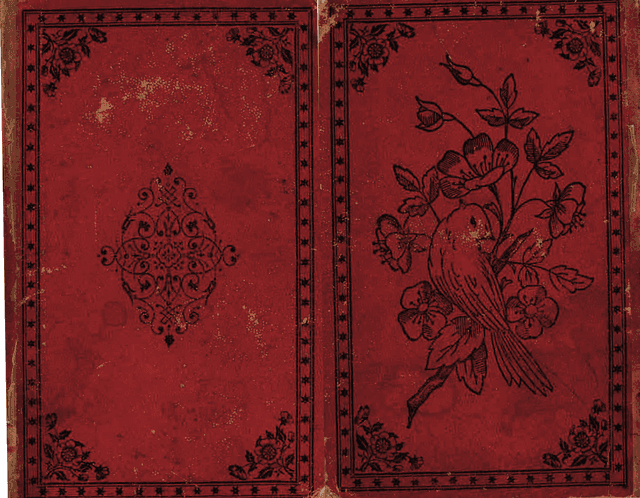
The Diwan of Sheikh Hanna Beik Al-Asaad bin Abi Saab (حنا بك الأسعد بن أبي صعب) 19th-century collection of classical poetry reflecting Lebanon's historical and cultural transitions.
Sheikh Hanna Beik Abi Saab
Sheikh Hanna Beik Al-Asaad bin Abi Saab (حنا بك الأسعد بن أبي صعب), prominent Maronite Christian 19th-century, the Diwan is classical poetry reflecting Lebanon's historical and cultural transitions. · 1885
CBID-7997-D479
A historical collection of the poetry and literary works of Sheikh Hanna Beik Abi Saab (1820–1897), Lebanese statesman, calligrapher, poet, and secretary in the Diwan of Emir Bashir Shihab II. This digitized historical edition is preserved and made permanently accessible through Cryptoscience as part of its Books & Literary Works collection.
Sheikh Hanna Beik Abi Saab (1820–1897) was born in Mazraat Bani Saab, then within the Batroun District of Lebanon, the son of Sheikh Al-Asaad Abi Saab. He descended from the Abi Saab family, whose roots are traditionally traced to the early Christian communities of Lebanon's mountainous Phoenician coast and to the historical leadership of the region.
A prominent Lebanese Christian statesman, calligrapher, and poet, Hanna Beik Abi Saab became an influential figure in the political and literary life of nineteenth-century Lebanon. He served as a senior scribe and secretary in the Diwan of Emir Bashir Shihab II (Emir Bashir the Great), where he handled official correspondence in both Arabic and Ottoman Turkish. He later accompanied Emir Bashir during his exile, including periods in Malta and Istanbul.
His accomplishments extended beyond public administration to poetry, calligraphy, literature, and printing. In recognition of his public service and standing, he received the title of Sheikh and was awarded high-ranking imperial distinctions by the Ottoman authorities.
Hanna Beik Abi Saab was also associated with the early development of lithographic printing in Lebanon, establishing a lithographic press at Beiteddine Palace, an important contribution to the preservation and dissemination of written works during that period.
His Diwan preserves an important part of this literary heritage and provides a historical record of the language, poetry, intellectual culture, and society of nineteenth-century Lebanon.